Editor’s Note
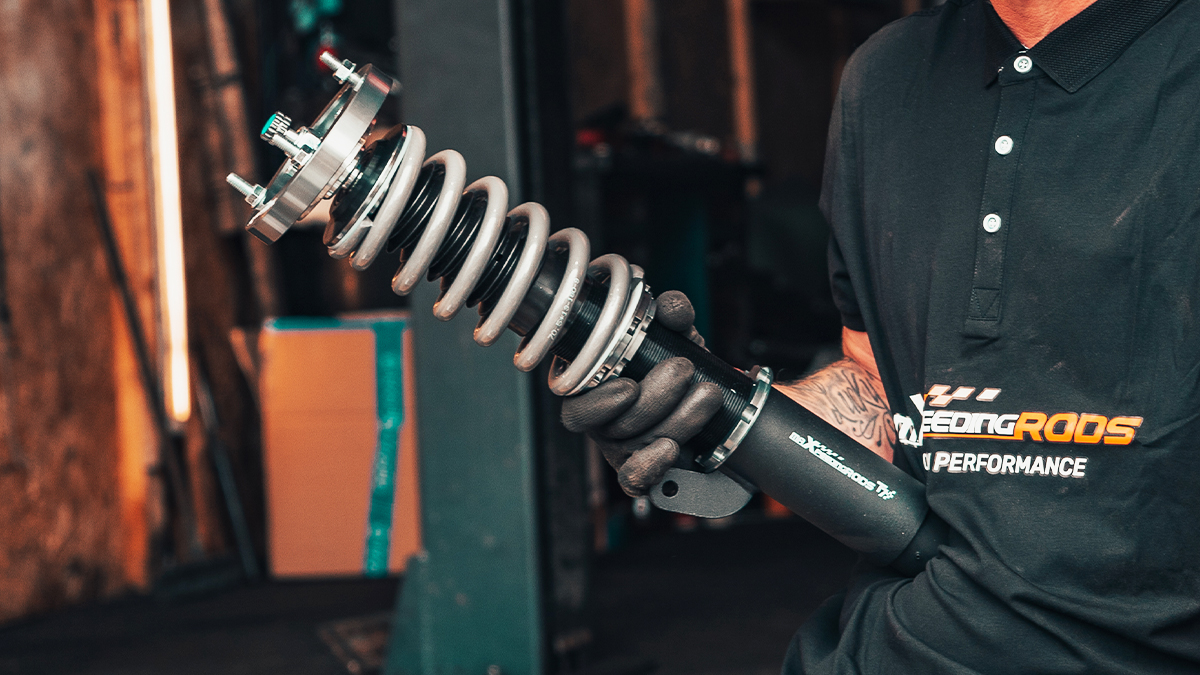
Garage Built Hondas documents the full installation process of intelligent dynamic damping system coilovers on a Maxpeedingrods Coilover for Honda Civic EK 2000.This walkthrough covers routing the electronic wiring harness, adjusting the ride height, and integrating the cockpit-controlled damping adjustment system to replace a traditional suspension setup. Check here for the full video
Why This EK Civic Needed an Electronic Damping Upgrade
Once aggressive track days, spirited canyon runs, and daily commuting duties all enter the picture, a traditional static suspension setup on a golden-era for Honda can quickly start to feel like a compromise. If you stiffen the dampers for maximum cornering grip on the track, your daily commute becomes a back-breaking chore. If you soften them for local roads, body roll takes over the moment you hit the twisties.
For this 2000 Honda Civic EK build, the focus was on creating the ultimate zero-compromise suspension setup—combining classic mechanical agility with modern cockpit-adjustable technology. By integrating the Maxpeedingrods IDDS (Intelligent Dynamic Damping System), this build completely bridges the gap between raw track performance and everyday ride comfort.
Pairing high-performance coilovers with an on-the-fly digital control unit completely changes the capability and versatility of this legendary chassis on both the street and the circuit. Here is how the transformation came together.
Phase 1: The Mechanical Foundation
Before diving into the electronics, the chassis required a solid mechanical baseline. This phase follows the traditional blueprint of a high-quality coilover installation, replacing worn-out factory components with precision-engineered hardware.
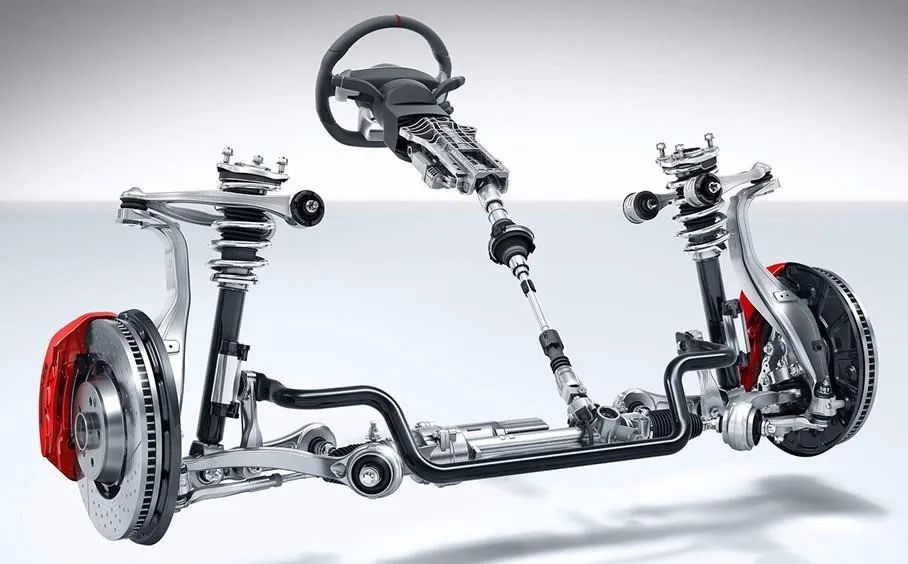
- Front Suspension Overhaul: Up top, the factory strut mount nuts were removed, followed by the lower fork bolts. The old assemblies were swapped out for the new adjustable coilovers, instantly tightening up the front-end geometry.
- Rear Setup: Accessing the rear towers from the cabin, the upper nuts and the lower control arm (LCA) bolts were removed to drop the old struts and install the upgrades.
- Preload & Ride Height: Critical to this step was setting a proper 7–10mm spring preload to eliminate spring play and prevent unwanted noise, followed by dialing in the baseline ride height before any electronics were mounted.
Phase 2: Integrating the Electronic System
The true highlight of the IDDS setup is the integration of electronic stepper motors, transforming a standard mechanical coilover into an intelligent, responsive system controlled entirely from the driver’s seat.
- Stepper Motor Precision: Compact stepper motors were installed directly onto the top of each shock shaft. Precision is key here: the internal “D-shaped” pin of the motor must align perfectly with the shock’s central adjustment rod.
- Clean Cabin Routing:
- Front: The wiring harness was routed through existing factory rubber grommets in the firewall (such as the main harness boot) for a seamless entry into the cabin.
- Rear: Wires were tucked neatly beneath the rear seats and run forward under the interior door sill plates toward the dashboard.
- Cockpit Command Center: The digital damping control screen was flush-mounted into the center console near the factory accessory tray, requiring only minor plastic trimming for a clean, factory-plus aesthetic.
Phase 3: Wiring, Calibration, and On-The-Fly Testing
With the hardware and wiring routed, the system was tied into the vehicle’s electrical grid and calibrated for real-world testing.
- Smart Power Management: The system was wired into a 12V ACC power source and a clean chassis ground. This ensures the control unit only draws power when the ignition is on, preventing parasitic battery drain.
- Zero-Point Calibration: Upon initial power-up, the system initiates an automated sweep, rotating the stepper motors from the softest setting to the stiffest setting to calibrate the precise zero-point for all four corners.
- Instant Adaptability: The final test demonstrates the true power of the system. With a single tap on the touchscreen, the driver can instantly command the suspension to transition from a compliant, forgiving street mode to a razor-sharp, track-ready sport setting—with the motors adjusting the valves in mere seconds.
Phase 4: The Civic EK Pitfall Guide
Every classic chassis has its quirks. To ensure long-term reliability and a flawless install, this EK build utilized a few vehicle-specific installation strategies:
- Rear Parcel Shelf Clearance: The EK Civic features an incredibly tight clearance between the rear windshield’s speaker shelf and the top of the shock towers. The stepper motors must be positioned carefully to ensure they do not contact the chassis sheet metal under heavy body flex.
- Engine Bay Thermal Protection: To shield the front electronic harnesses from engine heat and heavy vibrations, all under-hood wiring was encased in rugged loomed conduct to prevent chafing and electrical shorts.
- Seize Prevention: Before final height locking rings were cinched down, a liberal coating of anti-seize lubricant was applied to the coilover threads, protecting the aluminum collars from road grime, grit, and future binding.