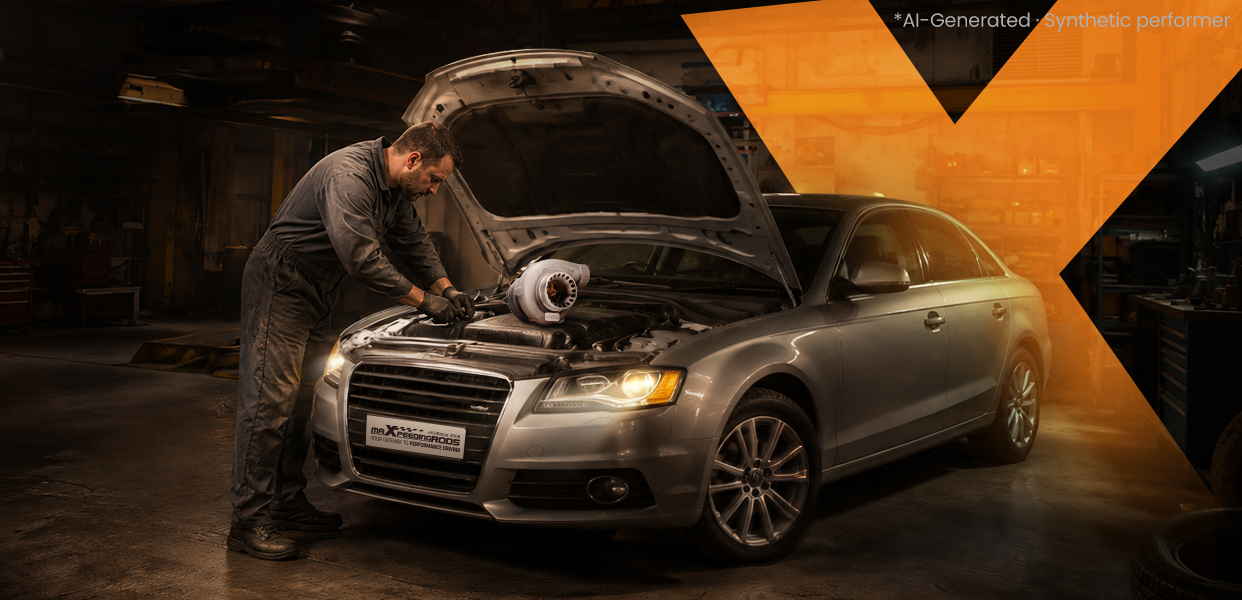
Adding boost can transform how an engine delivers power, but the turbocharger is only one part of the build. By supplying more air to the cylinders, a turbo system can support greater fuel delivery and higher torque. That also increases the loads carried by the pistons, connecting rods, bearings and crankshaft.
This does not mean every turbo build immediately needs forged connecting rods. Some factory bottom ends can support a mild, carefully tuned setup. The decision depends on the engine, its condition, the intended power level, the torque delivery and how often the vehicle will operate under high load.
Your Build Is Moving Beyond a Mild Power Increase
There is no universal horsepower or boost pressure at which every stock connecting rod becomes unsafe. Factory rod strength varies between engines, while boost pressure alone does not fully describe what is happening inside the cylinders.
Compression ratio, fuel quality, ignition timing, intake-air temperature and tuning all affect cylinder pressure. Two engines running the same boost can therefore place very different loads on their connecting rods. Detonation can create particularly severe pressure spikes, even when the boost reading does not appear excessive.
If the planned output is well beyond the engine’s original specification, upgraded connecting rods should be evaluated as part of the complete engine build.
The Engine Will Regularly Operate at High RPM
Connecting rods are stressed by engine speed as well as combustion pressure. As RPM rises, the piston and connecting rod assembly must accelerate and decelerate more rapidly. This produces increasing inertial loads, including tensile loading near the top of the piston’s travel.
For an engine intended for track driving, drifting or frequent high-RPM use, an appropriately selected forged rod may provide more strength and fatigue resistance than the factory component. However, rod weight, geometry, material and fasteners must all suit the intended application.
Our previous guide explains the general differences between H-beam and I-beam connecting rods, although beam shape should never be the only selection factor.
The Engine Is Already Being Rebuilt
If the engine is already apart for pistons, bearings, cylinder work or other internal upgrades, this is often the most practical time to replace the connecting rods. Installing them later would require repeating much of the same disassembly and labor.
It also gives the engine builder an opportunity to inspect and measure the rotating assembly as a complete system. Rod length, big-end diameter and width, wrist pin size, bearing clearance, crankshaft journal condition and block clearance should all be checked before final assembly.
Choose Around the Engine, Not Just the Power Claim
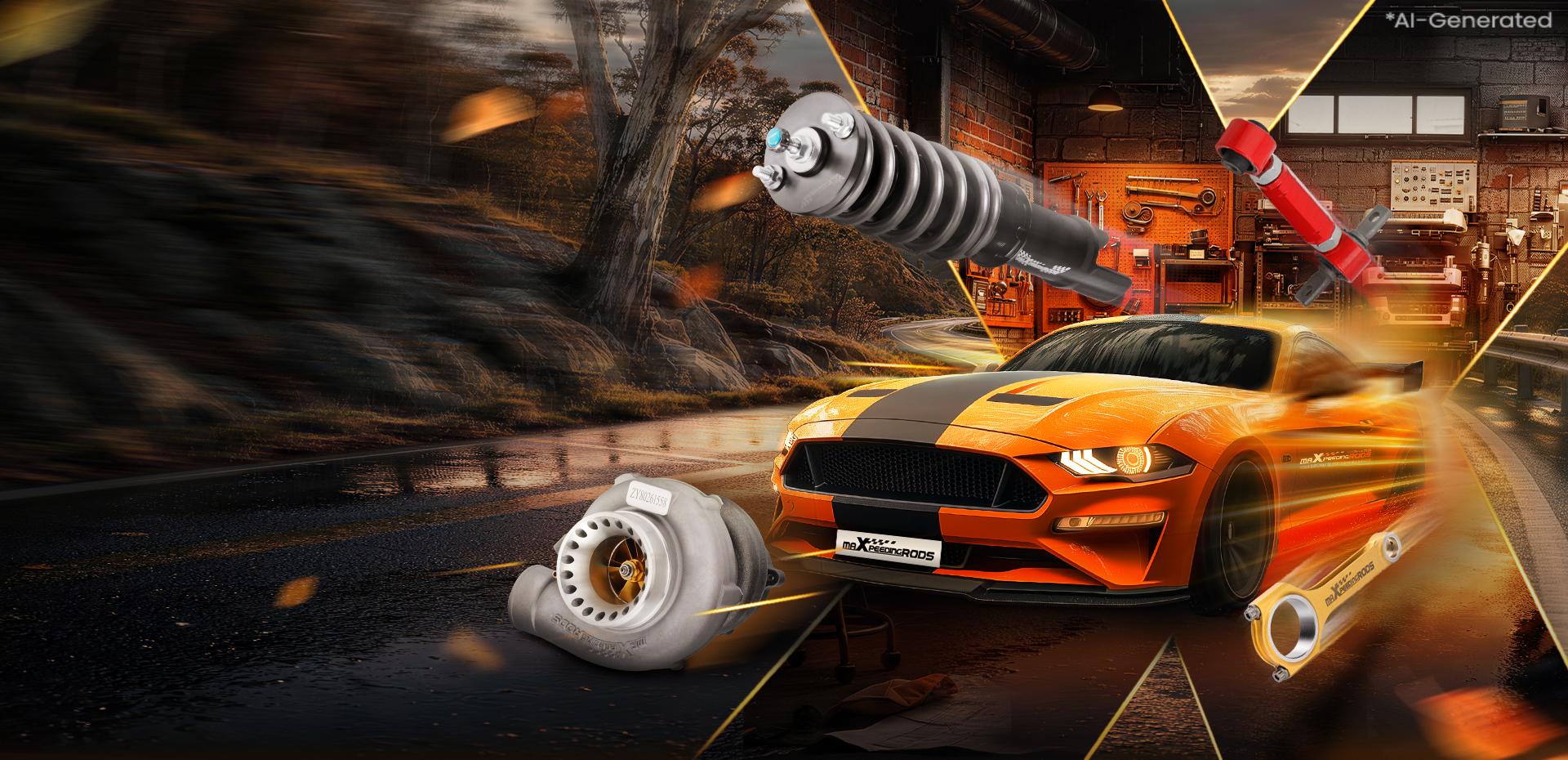
Once forged rods become part of the plan, begin with engine compatibility rather than a general horsepower number. The MaXpeedingRods H-beam connecting rods category includes application-specific options for different engines, but the engine code and individual product dimensions must still be confirmed before ordering.
For a closer look at rod dimensions, materials and selection factors, see our Connecting Rod Buyer’s Guide.
Stronger Rods Still Need the Right Supporting Setup
Forged connecting rods cannot compensate for poor tuning, detonation, inadequate fueling or incorrect assembly. They must work with compatible pistons, wrist pins, bearings, crankshaft components and properly installed fasteners. Lubrication and accurately measured clearances are equally important.
Consider upgrading when the planned torque, RPM and operating conditions move beyond the intended limits of the factory bottom end, or when the engine is already open and future power increases are expected. Final machining and assembly should be verified by an experienced engine builder, and all modifications should comply with applicable local regulations.