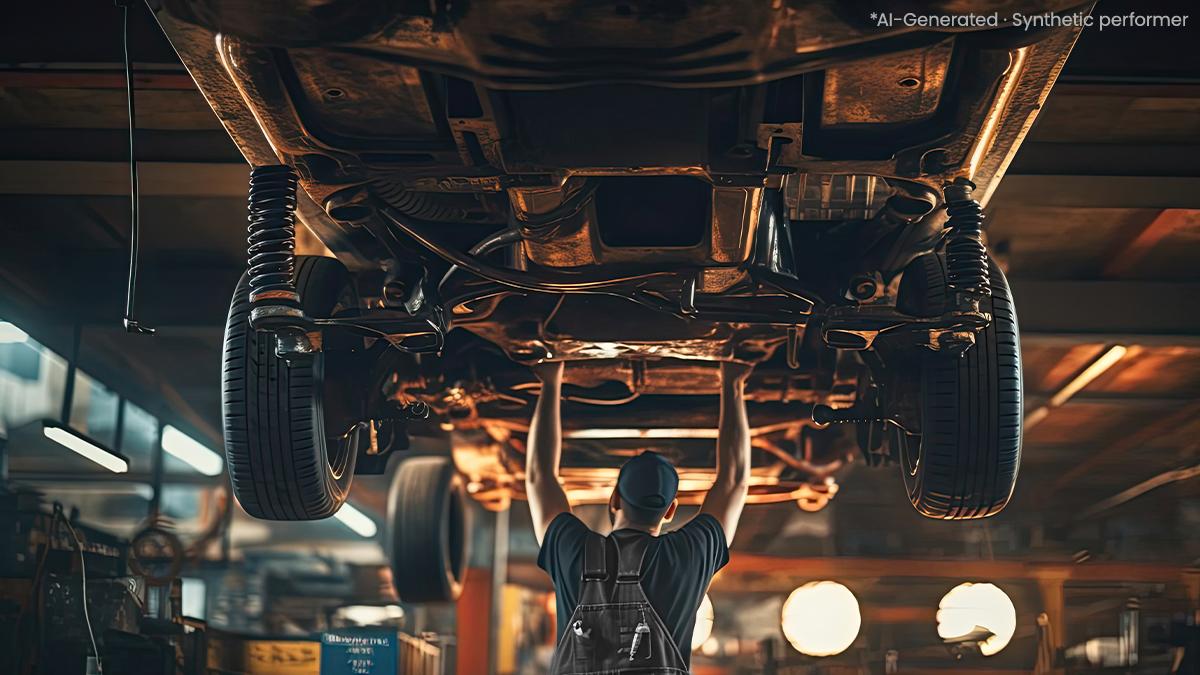
Fall is a good time to give your suspension a closer look. After months of summer driving, road trips, heat and changing road conditions, small changes in steering feel, suspension noise or tire wear may be easier to notice.
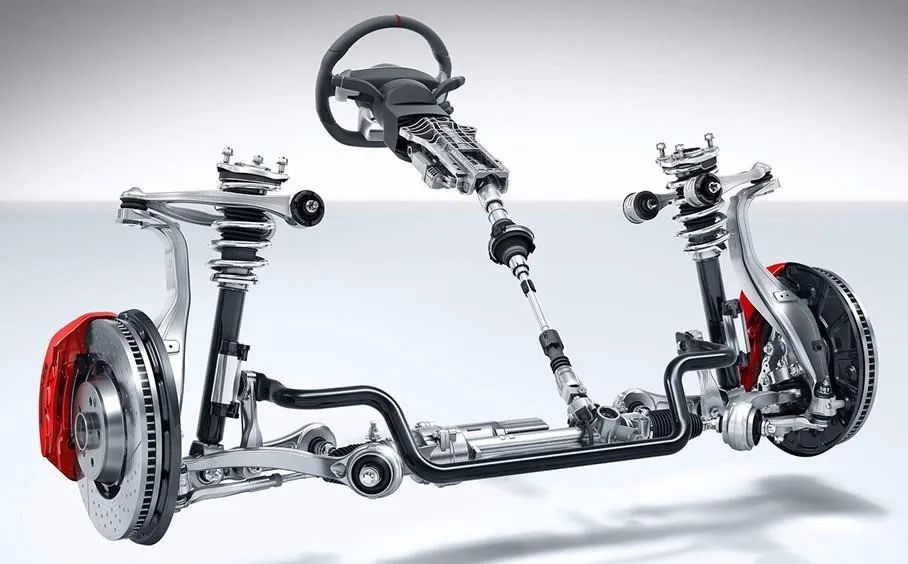
One component worth checking is the control arm. It plays a key role in connecting the wheel assembly to the vehicle chassis and guiding how the wheel moves with the suspension.
What Does a Control Arm Do?
Think of a control arm as one of the main links between your vehicle and its wheels. It allows the wheel to move up and down with the suspension while helping keep it properly positioned.
At the chassis side, control arm bushings provide flexible mounting points that allow controlled movement and help isolate vibration. At the wheel side, a ball joint typically connects the control arm to the steering knuckle, allowing the suspension and steering to move together.
Because control arms help guide wheel movement and maintain suspension geometry, wear in the arm, bushings or ball joint can affect how the vehicle feels on the road.
Signs Your Control Arms May Need Attention
Control arm wear does not always show up as one obvious problem. Instead, you may notice changes such as:
- Clunking or knocking noises from the suspension
- Changes in steering feel
- Uneven or unusual tire wear
- The vehicle pulling to one side
- Visible cracking or deterioration around the bushings
- Excessive looseness around the ball joint or mounting points
These symptoms can also be related to other suspension or steering components, so they should be treated as signs that further inspection may be needed.
During a seasonal check, look for visible damage, bent or heavily corroded components, deteriorated bushings and unusual tire wear. Since control arms are part of the suspension and steering system, professional inspection and installation are recommended if replacement is required.
Choosing the Right Control Arm Series
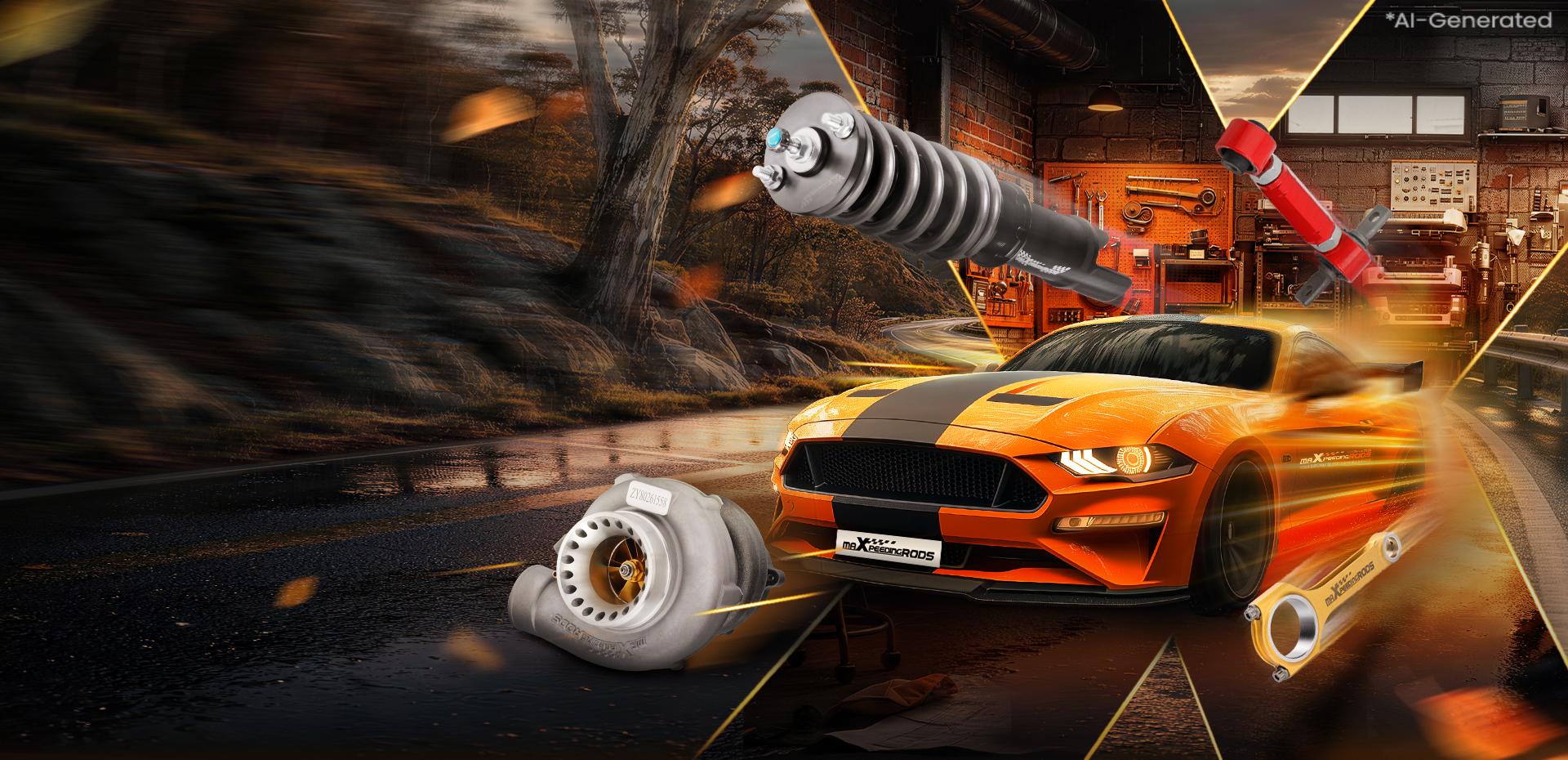
MaXpeedingrods offers control arm options ranging from straightforward replacement to more modification-focused setups, making it easier to choose a series based on how the vehicle is used and what you want to change.
OXR Series – OE Replacement
The OXR Series is aimed at drivers replacing worn factory-style control arms with an application-specific aftermarket replacement.
OXP Series – OE Upgrade
The OXP Series is positioned as a step beyond standard replacement, offering an upgraded option for drivers who want to refresh their suspension while keeping the setup suitable for street use.
P1 Series – Beginner Modification
The P1 Series is designed as an entry point for suspension modification and suits drivers beginning to move beyond a standard replacement setup.
P3 Series – Upgrade Modification
The P3 Series moves further toward performance-oriented suspension modification and is available across a broad range of vehicle applications.
P4 Series – Advanced Modification
The P4 Series sits at the more modification-focused end of the range and is intended for drivers building a more specialized suspension setup.
Check Fitment Before You Order
Control arms are application-specific, so fitment should always come first. Before ordering, confirm your vehicle’s year, make and model, as well as the installation position, such as front or rear and upper or lower.
MaXpeedingrods offers a wide selection of upper and lower control arms for various applications, including selected BMW, Jeep, Dodge and Honda vehicles, among others. A worn factory-style component may call for a replacement-oriented option such as OXR or OXP, while a modified suspension setup may require one of the P Series configurations.