Choosing a turbocharger is not just about picking the biggest one you can find. For a custom build, the turbo needs to match your engine size, horsepower goal, available space, manifold setup, oil and cooling lines, exhaust routing, and tuning plan.
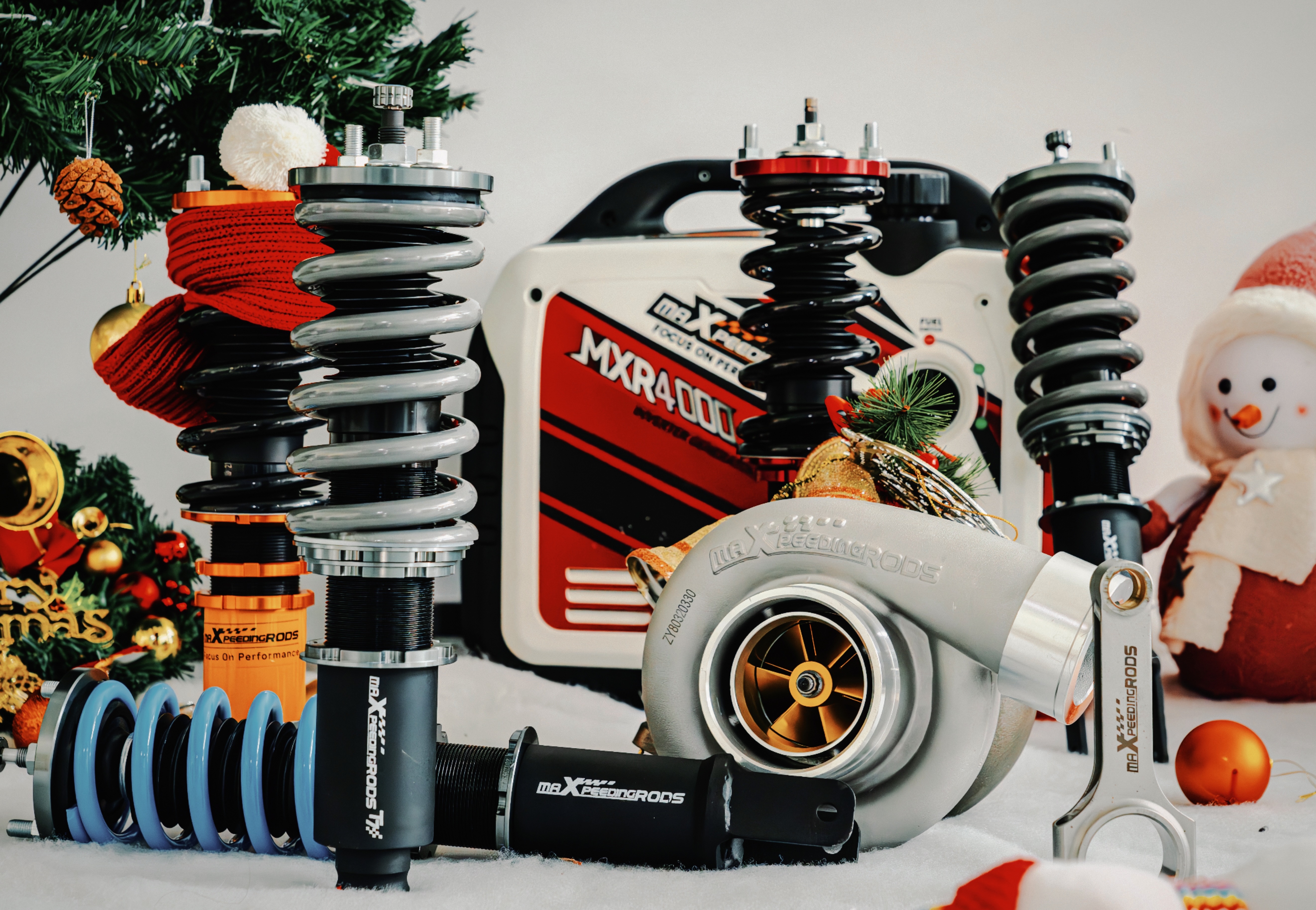
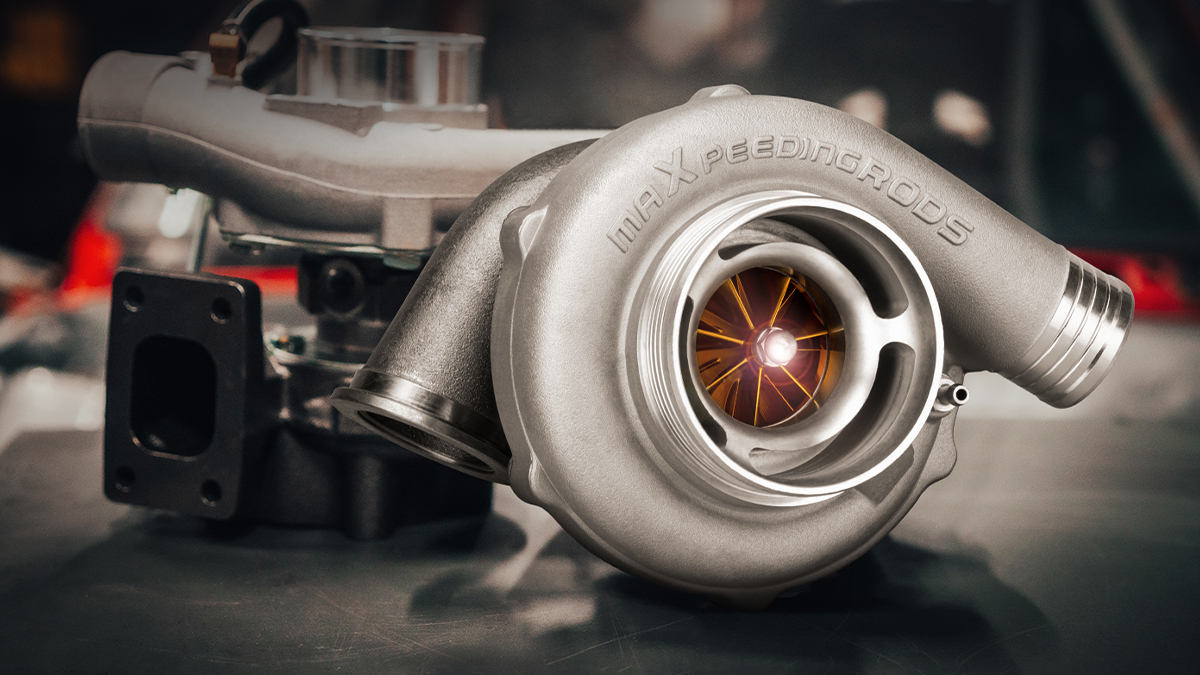
The MaXpeedingRods T3/T4 GT3582 G30 turbocharger is built for bigger horsepower applications and is designed for many custom 4-cylinder, 6-cylinder, and 2.5L–6.0L engine builds. With the right supporting modifications, it can support power goals up to 600HP.
Because this is a universal turbocharger, it is not a direct bolt-on kit. Some modification may be required, and final fitment depends on the individual vehicle. Before buying, always check that you have enough engine bay space and the correct supporting parts for your setup.
A Flexible Option for Different Engine Builds
One of the main reasons builders choose a universal T3/T4 turbo is flexibility. Instead of being limited to one exact vehicle, this turbo can be used as part of many custom performance setups.
It is commonly considered for high-horsepower 4-cylinder and 6-cylinder builds, but it can also work in certain V8 applications depending on the setup. Some common capable platforms include Honda K20, H22, and F22 engines; Nissan SR20DET, RB20, and RB25 engines; Toyota 1JZ, 2JZ, and 7MGTE engines; Ford 4.6 and 5.0 engines; LSx twin turbo applications; and even Sicon xB.
That does not mean it bolts directly onto every engine listed. It means these are the kinds of builds where a T3/T4 GT3582-style turbo may make sense when paired with the right manifold, oil feed and drain lines, intercooler piping, downpipe, cooling setup, and ECU tune.
Match the Turbo to Your Real Goal
If you are not sure whether your engine is a 4-cylinder, 6-cylinder, or V8, start by looking up your engine code and displacement. That will help you understand whether this turbo is in the right range for your build.
This turbo is better suited for performance-focused projects rather than a small stock-style replacement. If the goal is a custom turbo setup with room to grow, a universal T3/T4 turbo can be a cost-effective starting point. If you only need a direct replacement turbo, a vehicle-specific option may be a better fit.
Specs Builders Usually Check First
For fitment planning, the key specs matter. This turbo uses a T3 exhaust inlet flange and a 4-bolt exhaust outlet flange. On the compressor side, it has a 4-inch air intake and a 2.5-inch compressor outlet.
It also features a floating journal bearing, 270-degree thrust bearing, and water + oil cooling. The maximum PSI rating is 22 PSI, and the turbo does not include a wastegate.
In most custom setups, you may still need additional parts such as a turbo manifold, oil feed and drain lines, water cooling lines, wastegate or boost control setup, intercooler and piping, downpipe, fuel system support, and ECU tuning.
Made to Handle Heat
Turbochargers live in a high-heat environment, so material choice matters. This turbo uses a ductile iron QT450-10 turbine housing designed for heat resistance up to 700°C, along with a K418 alloy turbine wheel rated for high oxidation stability and heat resistance up to 900°C.
The compressor side uses a ZL104 aluminum housing and cast aluminum compressor wheel blades for lightweight performance, air tightness, and corrosion resistance. The turbo is also built with a high-speed oil seal ring and precision clearance, with balancing completed using TURBOTECHNICS VSR3 equipment.
Don’t Skip the Prep Work
Before installation, confirm that your vehicle has enough space for the turbo and that the flange setup matches your manifold and exhaust plan. The oil drain line should sit lower than the turbo itself, and gasoline vehicles should use water cooling to help avoid overheating.
If you are replacing a failed turbo, find and fix the original cause first. Poor oil supply, debris in the intake system, or crankcase ventilation problems can damage a new turbo quickly.
This product must be installed by a licensed mechanic and used in compliance with local modification regulations. Due to state emissions regulations, it cannot be sold or shipped to customers in California or New York.
Interested in a turbo upgrade? Click here to learn more about the MaXpeedingRods T3/T4 GT3582 GT30 turbocharger.