Installing coilovers can completely change the way a car looks and feels. A lower stance, sharper handling, and adjustable damping are all reasons why many Honda Civic owners choose coilovers as a suspension upgrade.
After installation, pay attention to how the car sounds and feels during the first few drives. If you hear clunking, squeaking, rattling, or knocking, it may be time to recheck the setup. Even if there is no unusual noise, regular inspection and basic maintenance can help keep your coilovers working properly over time.
This guide walks through a few simple post-installation checks to help reduce noise, prevent unnecessary wear, and keep the suspension feeling stable on the road for our T7 Civic users.
Coilover Noise Is Often a Setup Issue
After installing coilovers, the suspension has more adjustable parts than the factory setup. That means ride height, spring preload, locking rings, top mounts, bushings, and clearance all need to be checked carefully.
If one part is loose, dry, or slightly out of position, it can create noise while driving over bumps, turning the steering wheel, or moving at low speed.
Before assuming the coilovers need to be replaced, start with the basic maintenance checks.
Check the Mounting Hardware
One of the most common causes of coilover noise is loose hardware. Top mount nuts, center nuts, spring seats, locking rings, and lower mount locking rings should all be checked after installation.
A loose locking ring or top mount can create a clunking or rattling sound, especially when the suspension moves quickly over uneven roads.
After the first test drive, recheck the hardware and make sure everything is tight.
Inspect Bushings and Pillow Ball Mounts
Bushings help absorb vibration between suspension parts. If a bushing is dry, worn, or damaged, it can cause squeaking or knocking. Common areas to inspect include control arm bushings, sway bar end link bushings, top mount bushings, and lower mount bushings.
If your coilovers use pillow ball mounts, check for dust buildup or looseness. Some light noise may happen at first, but if the bearing feels loose or rattles by hand, it may need further inspection.
Make Sure Spring Preload Is Correct
Spring preload also matters. If the spring is too loose, it may move around and make noise. If the preload is too high, the spring coils may contact each other when turning or driving over bumps.
For this Honda Civic coilover setup, the suggested spring preload range is 6–10mm. The spring should sit firmly in place, but it should not be over-compressed.
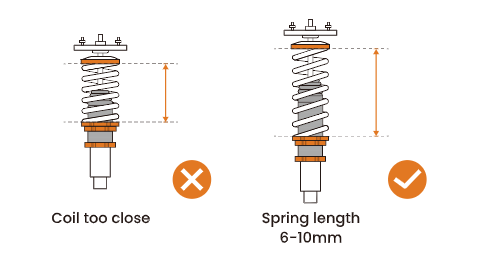
Also, do not use the spring seat to lower the car. Ride height should be adjusted through the lower mount, not by changing preload too far.
A properly designed coilover setup should give drivers enough adjustment range without forcing them to compromise spring preload for ride height. That is why choosing the right coilover kit matters before the install even begins.
Check Clearance Around the Coilovers
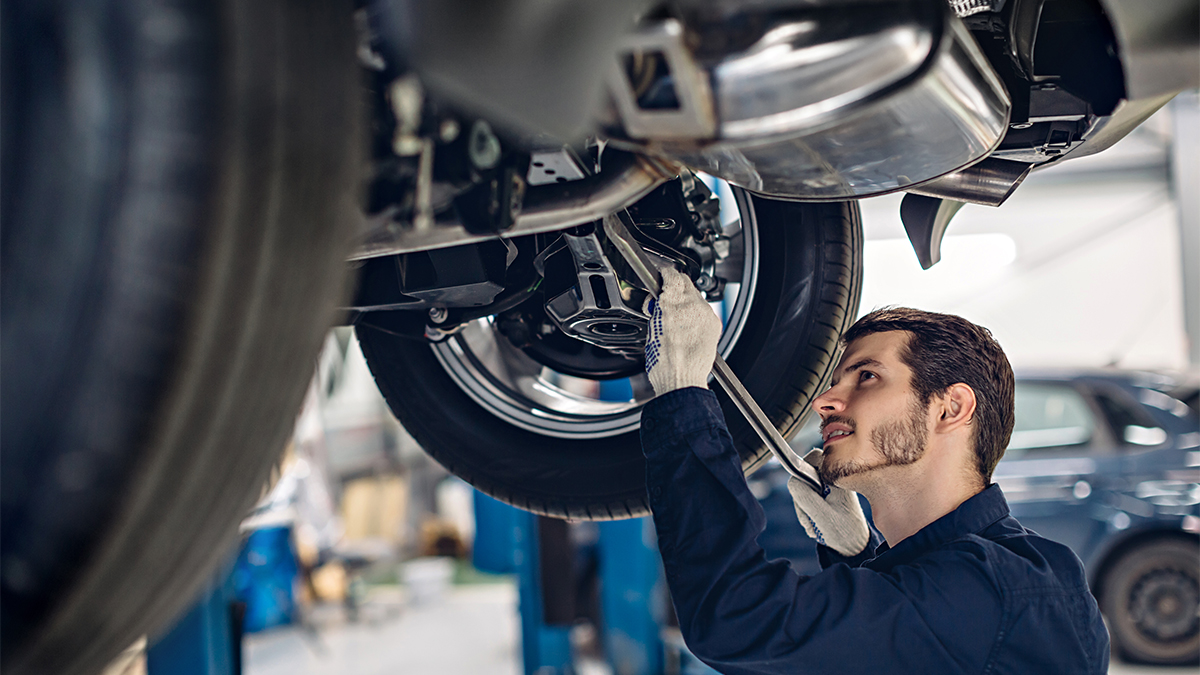
After changing ride height, always check clearance around the tires, suspension arms, brake lines, and coilover body. If parts are too close together, they may rub or hit each other while driving.
For this setup, the minimum tire-to-suspension clearance should be at least 4mm. If clearance is too tight, the setup may need adjustment before regular driving.
Keep the Coilovers Clean
Coilovers are exposed to road dust, water, dirt, and sometimes road salt. Over time, buildup on the threads and locking rings can make adjustments harder and may contribute to unwanted noise.
A simple cleaning every 3–4 months can help keep the coilovers in better condition. Keeping the threads clean also makes future ride height adjustments much easier.
And Don’t Forget
Coilover noise after installation is usually caused by setup, clearance, or maintenance. Not always by a failed part. A quick post-installation check can help you find the source before it turns into a bigger issue.
Check the hardware, inspect the bushings, confirm spring preload, look for clearance problems, and keep the coilovers clean. With the right setup and regular maintenance, your coilovers can deliver a quieter, more stable, and more enjoyable ride.
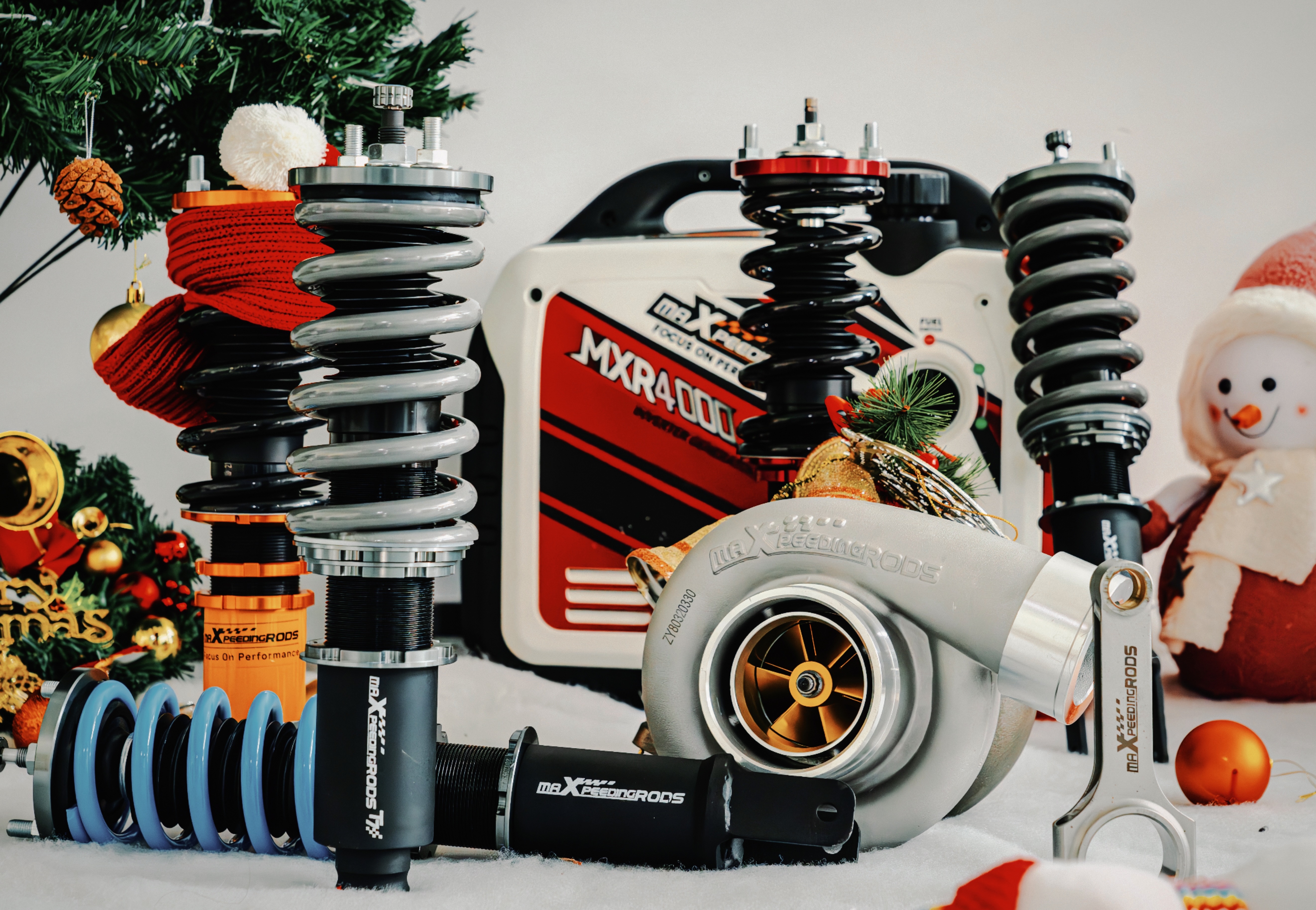
Looking for a height-adjustable suspension setup for your Civic? Explore MaXpeedingRods T7 coilovers series for your Honda Civic.